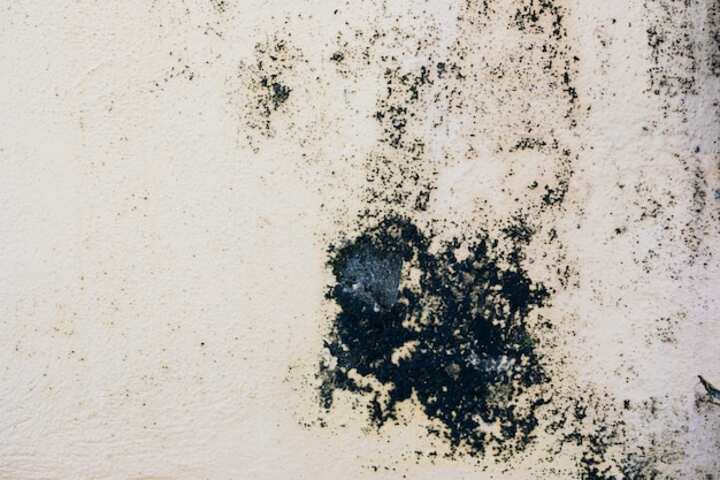
Expert Mold Encapsulation Services in Auburn
Mold is a common problem that can affect the structural integrity of buildings and pose health risks to occupants. In Auburn, mold encapsulation services are increasingly being sought after as an effective method for managing and mitigating mold growth. This article aims to provide an insightful overview of mold encapsulation services in Auburn, highlighting their benefits, processes, and considerations.
Understanding Mold Encapsulation
Mold encapsulation is a process used to contain mold within a specific area, preventing it from spreading to other parts of a building. This method is particularly beneficial when complete mold removal is not feasible or when dealing with non-toxic mold types.
Benefits of Mold Encapsulation
- Cost-Effective Solution: Encapsulation can be more affordable than full mold removal, making it an attractive option for budget-conscious property owners.
- Prevents Mold Spread: By sealing off the affected areas, encapsulation helps to prevent the mold spores from spreading to other parts of the building.
- Improves Air Quality: Encapsulation reduces airborne mold spores, thereby improving the indoor air quality and reducing health risks associated with mold exposure.
For more details on mold management, read more about this topic.
The Mold Encapsulation Process
The encapsulation process involves several key steps to ensure effectiveness and safety. Each step is crucial to maintaining the integrity of the encapsulation and the safety of the building's occupants.
Inspection and Assessment
- Initial Inspection: A thorough inspection of the affected areas is conducted to assess the extent of mold growth and determine if encapsulation is the appropriate solution.
- Assessment of Mold Type: Identifying the type of mold is crucial as some types may require different treatment methods.
Find additional information on mold assessment here.
Preparation and Cleaning
- Containment Setup: Barriers and negative air pressure systems are used to contain mold spores during the cleaning process.
- Surface Cleaning: Surfaces are thoroughly cleaned using specialized products to remove as much mold as possible before encapsulation.
Application of Encapsulation Products
- Selection of Encapsulation Agents: The choice of encapsulation products depends on the surface type and the severity of the mold problem.
- Application Technique: Proper application techniques are critical to ensure the encapsulation forms an effective barrier against mold growth.
Explore further insights into the encapsulation process here.
Considerations for Mold Encapsulation
Before opting for mold encapsulation services, there are several important considerations to keep in mind to ensure the effectiveness and longevity of the solution.
Suitability of Encapsulation
- Type of Mold: Encapsulation is not suitable for all types of mold, especially those that are highly toxic.
- Extent of Damage: Severe mold infestations may require comprehensive remediation rather than encapsulation.
To understand more about the suitability of this method, learn more in this detailed guide.
Professional Expertise
- Experience and Certification: It is essential to select professionals who are experienced and certified in mold remediation and encapsulation.
- Quality of Materials: Using high-quality encapsulation materials ensures long-lasting protection against mold growth.
Mold encapsulation provides a viable solution for managing mold issues when complete removal is not possible or practical. By understanding the benefits, processes, and considerations, property owners in Auburn can make informed decisions about their mold management strategies. For those seeking professional mold encapsulation services, ensuring thorough assessment and expert execution is paramount. Explore further insights here to guide your decisions.